 Bahasa Indonesia
  English


Coffee | Palm Sugar |Seaweed | Cocoa


Palmyra Palm Sugar: Sabu Raijua's Island Heritage
Nature’s Sweet Gift from Sabu Island People
Rp 359.000 / Pack
A natural sweetener from lontar palm, traditionally made without preservatives. More than just a sweetener, it’s a living cultural heritage of Sabu Raijua.
100% Organic & Traditional Process 100 ml
100% natural ingredients guarantee
Store in a cool, dry place, away from direct sunlight. Store in the refrigerator after opening.
Use for drinks (coffee, tea, herbal medicine), cakes, and traditional dishes.
The people of Sabu Raijua have relied on the lontar palm, their “Tree of Life,” for generations. But as young people left for the city, their traditional way of life and the value of their product were in danger. They needed a way to protect their heritage while also finding success in the modern world.
The community tackled this challenge by blending tradition with new skills. While men continued the ancient practice of tapping the trees, women took on a lead role in processing the sap into different products—from liquid to crystal sugar—using both traditional and modern tools. This teamwork transformed their family legacy into a thriving business.
Today, the lontar palm is the heart of a revitalized community. By embracing innovation, the people of Sabu have not only built a stronger economy but have also ensured their culture and traditions will continue to thrive for future generations. Their story proves that true success lies in honoring the past while building the future.
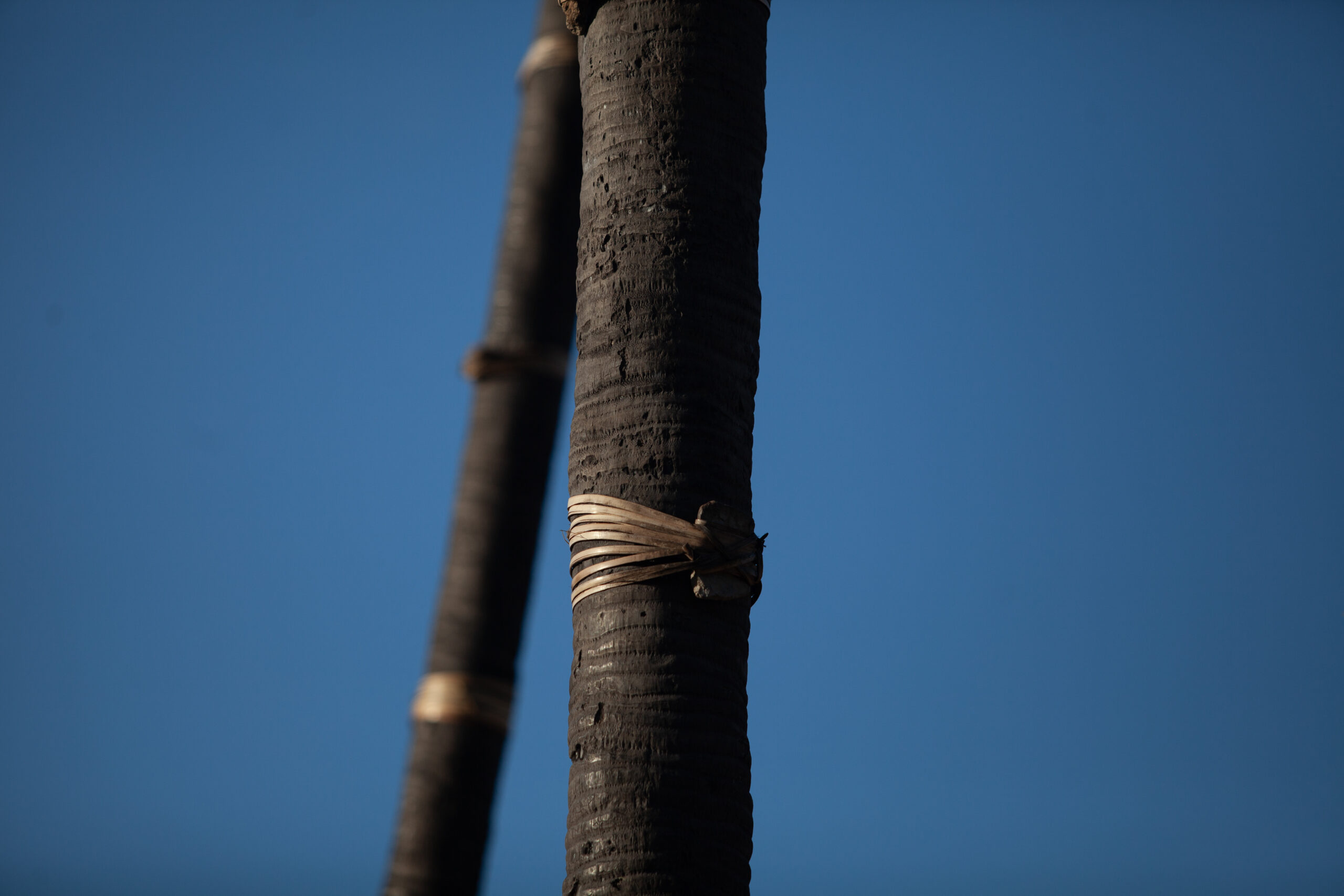
The lontar palm grows naturally in Sabu Raijua and is considered the “tree of life” by the local community. Lontar cultivation is a part of their generational culture. All family members play a role, with men tapping the trees and women processing the sap. Support and capacity-building for lontar palm sugar farmers have boosted group productivity.
Sabu Raijua Origin
Sabu Raijua District, East Nusa Tenggara
S 10°25’07″” | E 121°16’11″”
Tapping is done using traditional methods and ancient rituals, exclusively during the dry season. Traditional tools are now mixed with modern ones, such as plastic jerrycans.
The palm sap is processed traditionally over a wood-fired stove into Sabu sugar (liquid), lempeng sugar (solid), and semut sugar (crystal). The entire process is done manually.
This product is produced by farmers under the GEF-SGP & UNDP mentoring program, applying traditional and environmentally friendly practices.
Produced by:
Island Villagers Home Industry,
Sabu Raijua District – East Nusa Tenggara

Panen

Petani / Komunitas

Proses
