GEF, SGP, FAO, and YBUL logos
Upper hillside slopes of the Bodri Watershed with community gardens and forests

OP8 program priorities

From upstream
to downstream

The five themes we fund in the 8th Operational Phase, and how we work with communities in each landscape.

Why landscapes

One landscape, one system.

Damage upstream (land-use change and logging) is carried to the coast as sediment and floods. Farmers who depend on a single crop and agricultural chemicals are increasingly vulnerable to extreme weather. That is why SGP OP8 does not fund projects one by one in isolation, but connects them within five priority landscapes, from forests, rice fields, and rivers to coral reefs.

5thematic priorities
5priority landscapes
USD 4,294,698total OP8 grants
USD 75,000maximum per regular grant
Residents and partners pose at the edge of a pond after planting mangroves, Sabu Raijua

Communities that protect, from upstream to the sea.

View portfolio

Thematic priorities

Five themes we fund

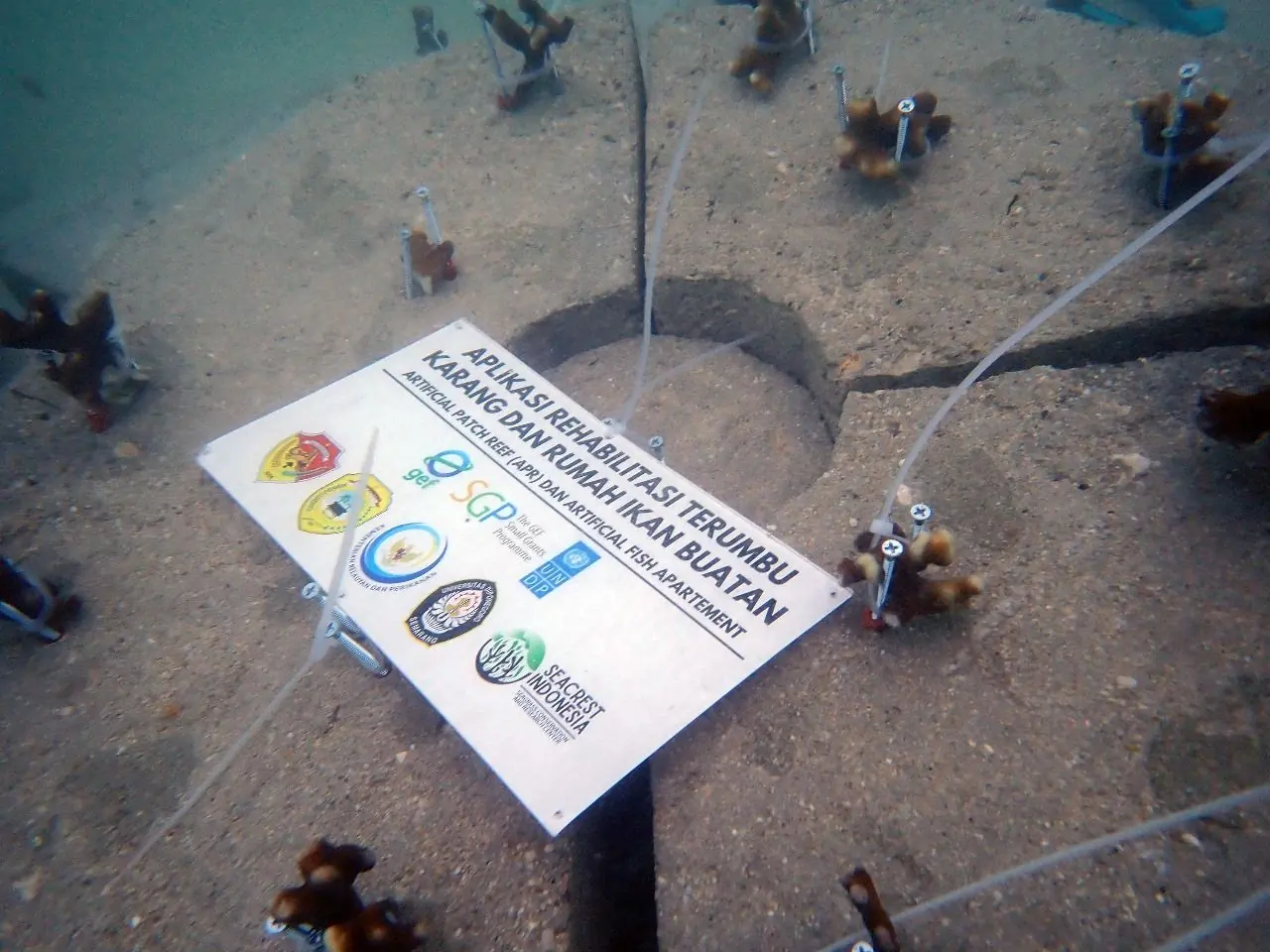
Coral reef rehabilitation application boards and artificial fish houses on the seabed

Community-based management of threatened ecosystems and species
SDG 14: Life Below WaterSDG 15: Life on Land
  • Mapping Indigenous territories and community conserved areas (ICCAs) through FPIC
  • Mangrove and coral reef restoration, strengthening local marine managers
  • Village wildlife monitoring, biodiversity-friendly agroforestry, blue economy
Target: 6,449 ha restored · 112,863 ha of landscape with improved practices · 8,062 ha of marine habitat
Learn about this theme →
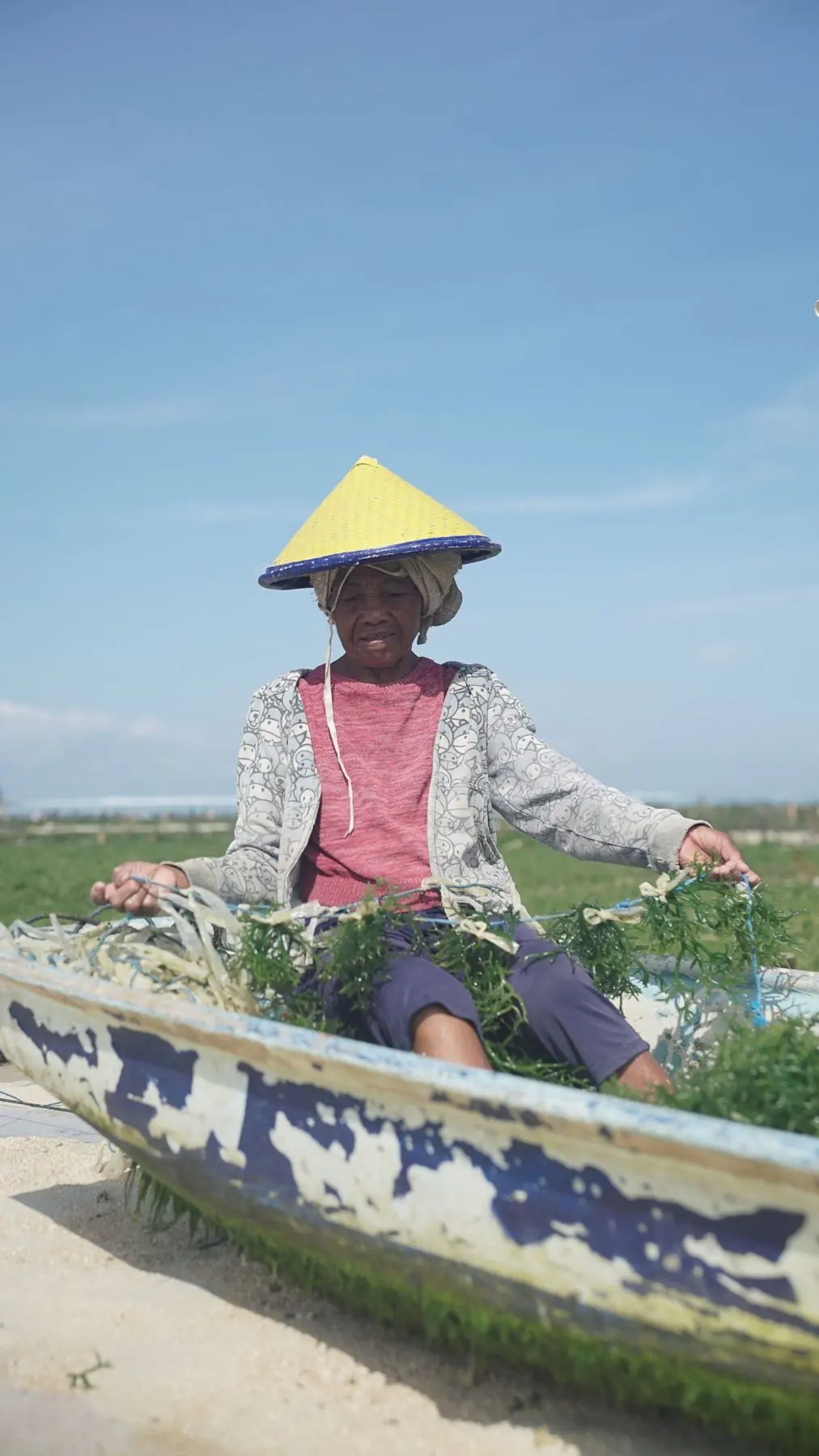
Seaweed farmer on a boat, Nusa Lembongan

Sustainable Agriculture, Fisheries, And Food Security

SDG 2: Zero HungerSDG 12: Responsible Consumption and ProductionSDG 14: Life Below Water
  • Saving local seeds, strengthening village food barns
  • Post-harvest tools and Geographical Indication certification to raise product prices
  • Climate-adaptive agroforestry to restore soil fertility
Target: 86 sustainable agriculture and food projects
Learn about this theme →
Collage of low-carbon energy activities at the community level

Low-carbon energy access

SDG 7: Affordable and Clean EnergySDG 13: Climate Action
  • Renewable energy for public facilities and productive village enterprises
  • Energy-efficient processing machines for farmer groups
  • Decentralized energy systems for small islands
Target: 21 renewable energy projects
Learn about this theme →
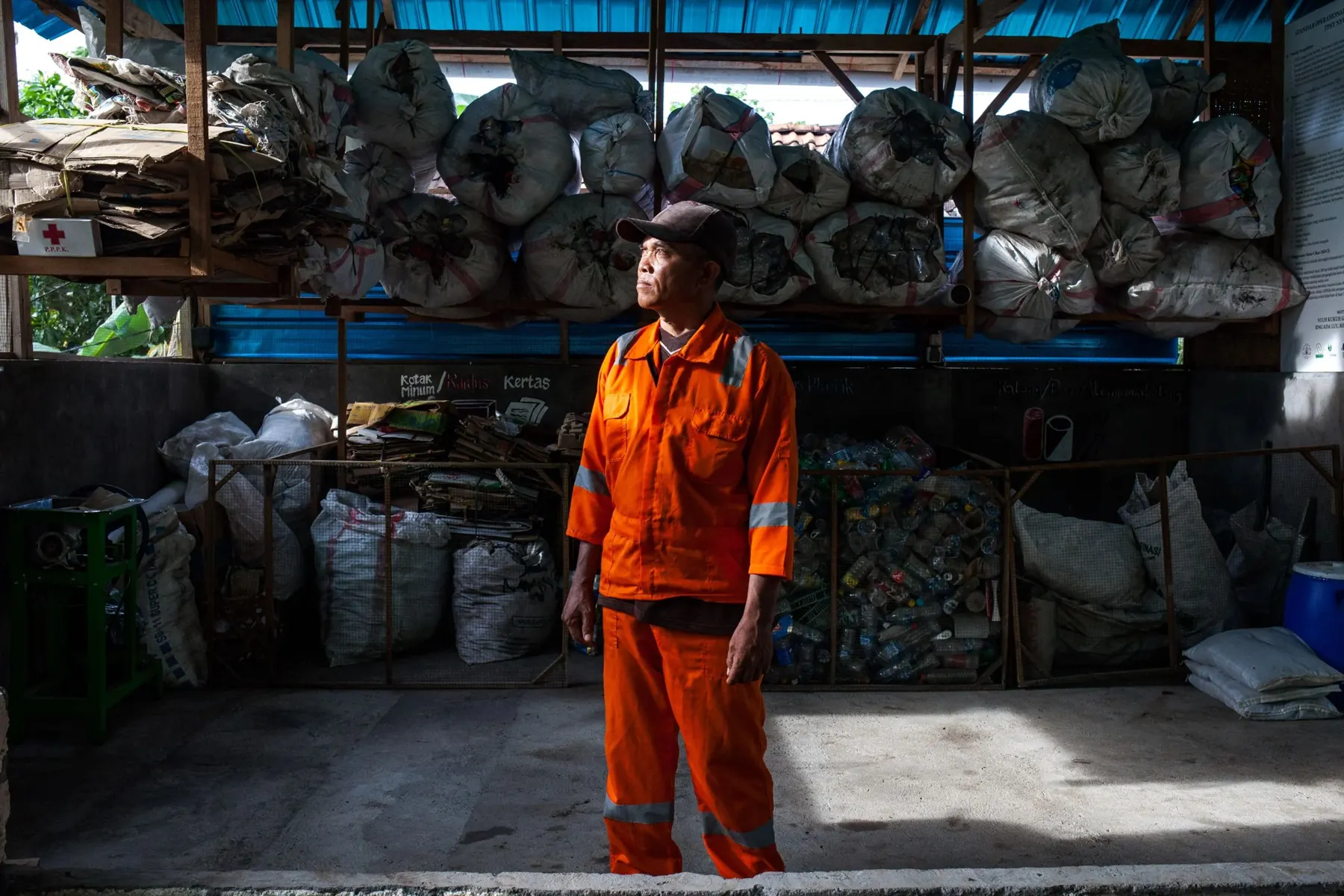
Staff at a sorted-waste collection point

Local-global coalition for chemicals and waste

SDG 3: Good Health and Well-beingSDG 6: Clean Water and SanitationSDG 12: Responsible Consumption and Production
  • Community-based circular waste management, especially on small islands
  • Farmers' shift from chemical fertilizers and pesticides to organic inputs
Target: 14 local solutions for chemicals and waste
Learn about this theme →
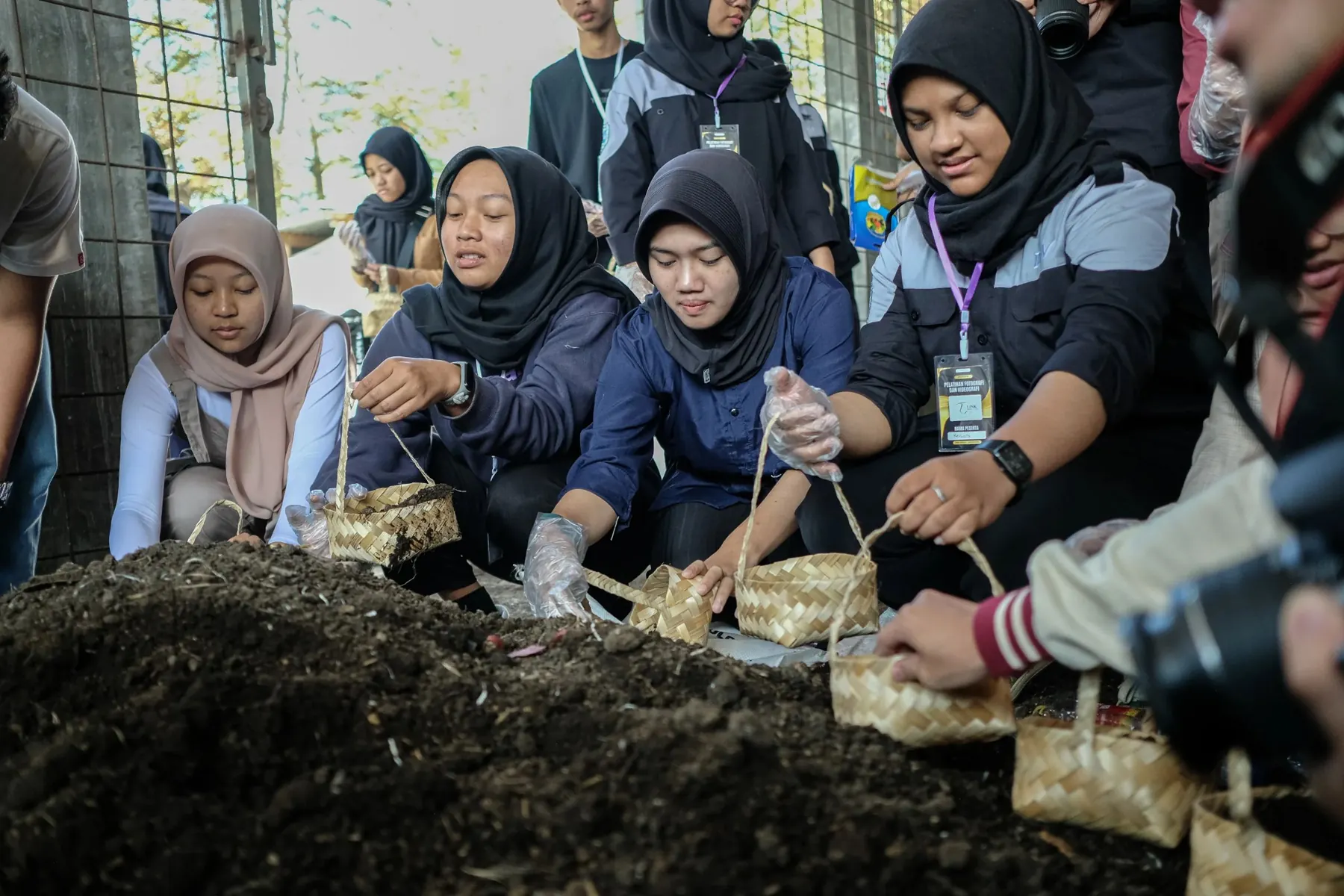
Young people make woven baskets during an environmental activity

Sustainable urban solutions

SDG 11: Sustainable Cities and Communities
  • Intercepting waste downstream and in tourist areas
  • Public-private partnerships to protect landscapes
  • River basin corridor connecting cities and their buffer villages
Target: 21 urban solution initiatives
Learn about this theme →

CROSS-PRIORITY APPROACH

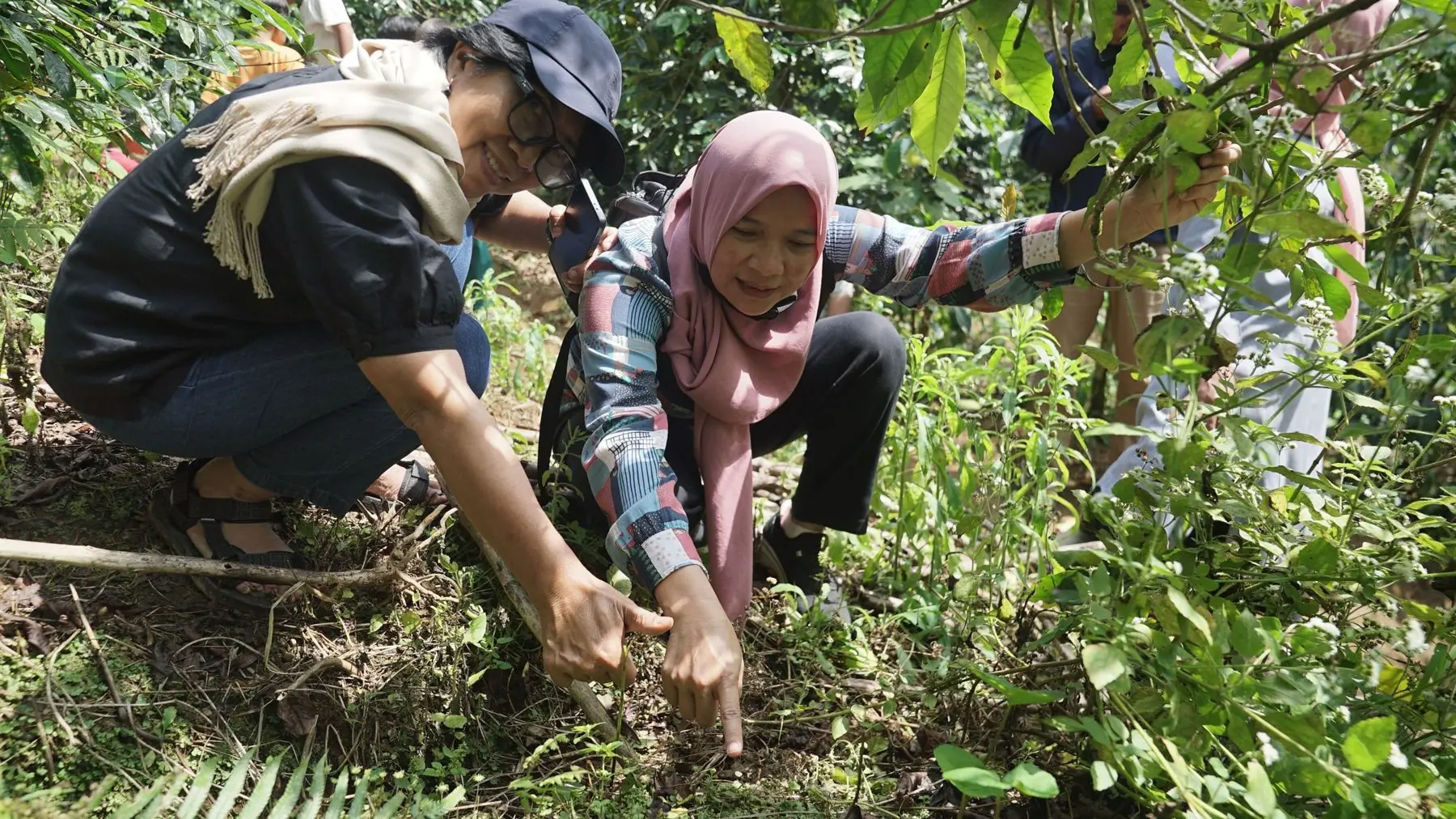
Two women plant seedlings in the upper Bodri WatershedSocial inclusionAt least 50% of beneficiaries women, 25% youth, 15% Indigenous and local communities, 10% persons with disabilities.
Balantieng Watershed landscape stakeholders at the Hasanuddin University Education ForestMulti-stakeholder dialogueFrom village regulations to national forums, so that community initiatives can be replicated and promoted by stakeholders.
Residents and partners on a field visit on the slopes of the Bodri WatershedInnovation and expansionTesting new approaches through community organizations, then scaling up what works with strategic partners.
Woven lontar palm products by the Sabu Raijua communityBusiness approachConnecting community products with regular buyers and impact investors.
Residents sit and talk on a house porch in Sabu RaijuaResource optimizationAs much funding as possible reaches local organizations and communities directly.

Five priority landscapes

All landscapes →

Aligned with national priorities

Each theme supports government plans, so community results can be lifted into regional and national policy.

Read the full OP8 Strategy →
Residents and partners pose at the edge of a pond after planting mangroves, Sabu Raijua

Does your idea fit one of the themes?

First check whether your organization meets the basic requirements. About 2 minutes.
Check eligibilityView projects by theme